If you’ve ever had that heart-sink moment when the tester hands you a fail certificate, you’re far from alone. Every year, millions of UK vehicles fail their MOT — and the data shows the same culprit topping the list year after year: lighting and electrical faults.
Lamps, Reflectors and Electrical Equipment: The Number One Offender
According to Department for Transport figures analysed by breakdown provider Green Flag, lamps, reflectors, and electrical faults have remained the leading reason cars fail their MOTs for three consecutive years, with over one in 10 cars (11%) found to have broken or faulty lights, reflectors or electrical equipment in 2024-2025.
This isn’t a fluke of recent years either. Broader analysis going back further tells a similar story: faulty lights and electrics accounted for 26% of faults since 2019 that caused cars to fail their MOT, comfortably ahead of every other category.
Why does something as simple as a light bulb cause so much trouble? Mostly because it’s easy to overlook. A blown brake light, a cracked indicator lens, or a hazy headlight doesn’t affect how the car drives, so it’s rarely on a driver’s radar until the MOT reveals it. The fix is usually cheap and quick — but only if you catch it beforehand.
What Comes Next: Suspension, Brakes, and Tyres
After lighting, the pattern is fairly consistent across most industry analyses of DVSA data:
- Suspension — components like springs, shock absorbers, ball joints and bushes wearing out over time. Green Flag’s most recent figures put this at 9% of MOT failures, while other analyses covering a longer period put it closer to 19-20%.
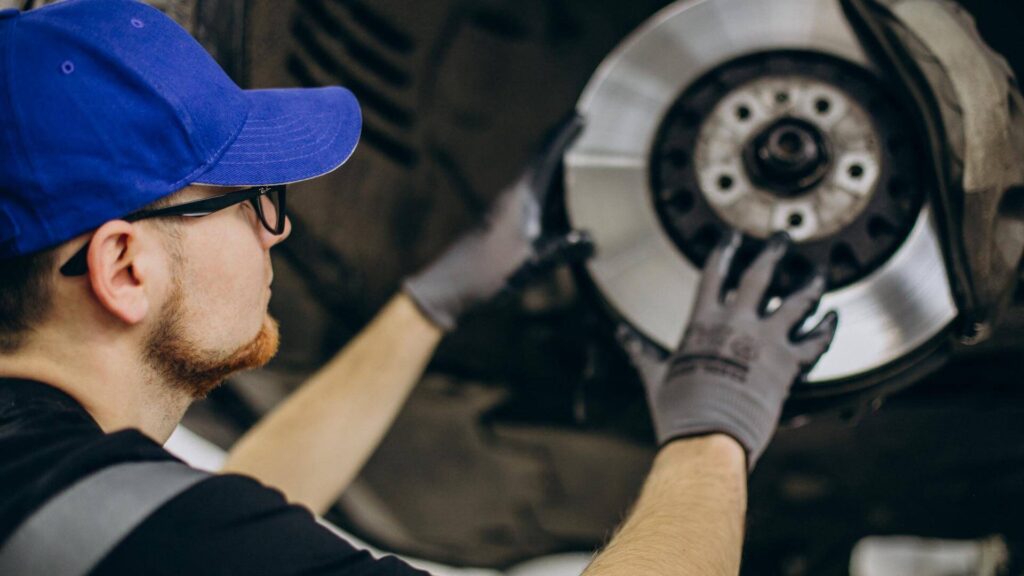
- Brakes — worn pads and discs, seized callipers, leaking fluid, or poor braking performance on the roller tester. This accounted for 7% of failures in the most recent year, though it has run as high as 1 in 6 failures in some quarters.
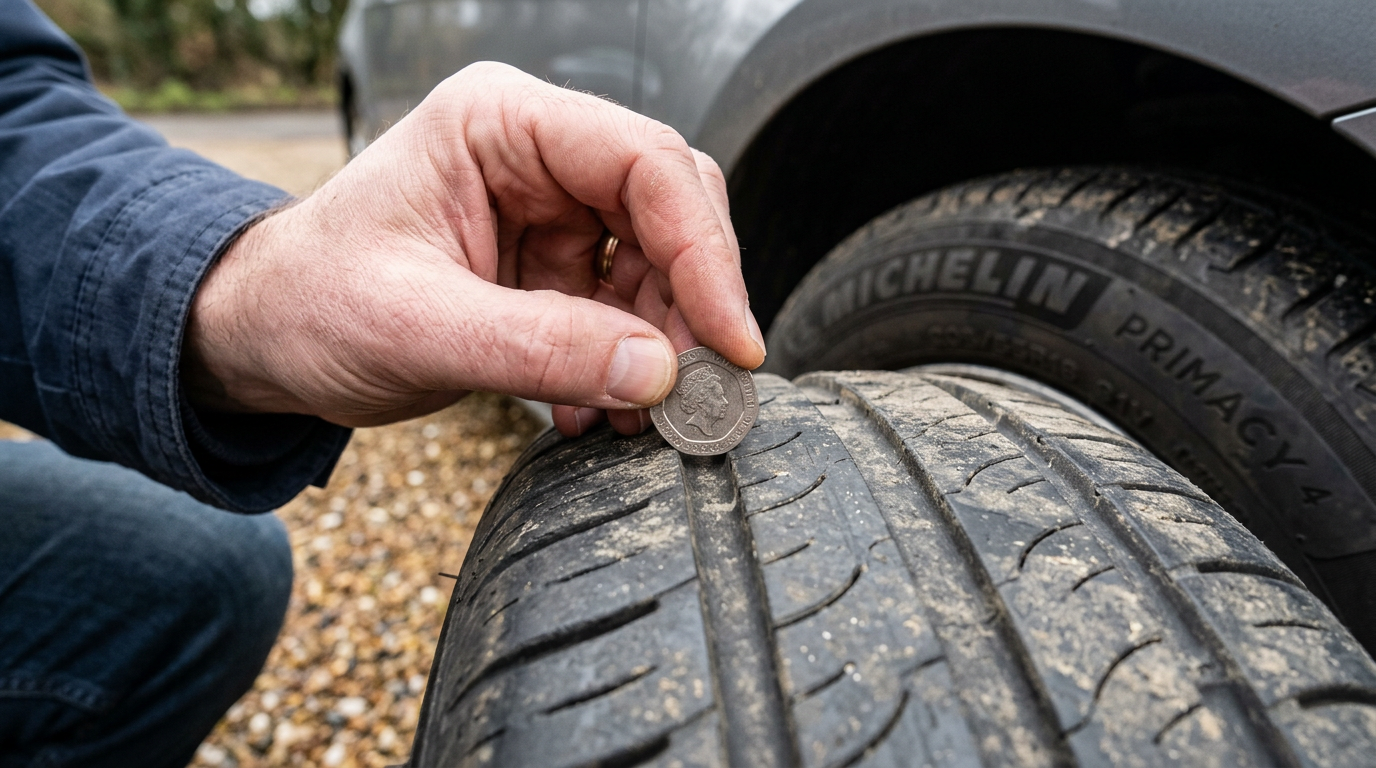
- Tyres — tread below the legal 1.6mm minimum, cuts, bulges, or mismatched sizes across an axle. This sits at around 6% of overall failures.
Interestingly, when you look at individual defect items rather than broad categories, the picture shifts slightly. A Freedom of Information request to the DVSA, analysed by eBay, found that low tyre tread was actually the single most common specific cause of MOT failure, with tyre tread below the legal 1.6mm minimum being responsible for over a million failures in a single year. The difference comes down to how the data is grouped: “lamps, reflectors and electrical equipment” bundles together dozens of individual bulb, wiring and reflector faults, so as a category it edges out tyres even though a single worn tyre is, item-for-item, the most frequently cited fault on any given test sheet.
Why This Matters for Safety
Not all failures are equally serious. Brakes and tyres, in particular, carry real safety weight. National figures show that two-thirds of tyre defects and around a third of brake defects found during an MOT are classified as “dangerous defects,” posing an immediate risk to motorists and other road users. That’s a sobering reminder that these aren’t just bureaucratic box-ticking exercises — they’re catching genuine hazards.
How to Avoid an Easy Fail
The encouraging news is that most of the top failure reasons are entirely preventable with a five-minute check before you drive to the test centre:
- Walk around your car and test every light — headlights, brake lights, indicators, fog lights and number plate lights.
- Check tyre tread depth with a 20p coin or a gauge; anywhere near the legal minimum should be replaced.
- Listen and feel for suspension problems—knocking noises or a bouncy ride can signal worn shocks or springs.
- Get your brakes checked if you notice pulling to one side, grinding, or a soft pedal.
Overall MOT pass rates have actually been improving. The UK’s MOT pass rate has increased by 20% over the last decade, with just 28% of vehicles failing in the most recent year compared to over 40% a decade ago. But lighting and electrics remain the one area tripping up drivers most consistently — proof that sometimes the simplest checks make the biggest difference.