Cars have changed dramatically over the past decade. Features that were once reserved for luxury vehicles—such as lane assist, emergency braking, reversing cameras and adaptive cruise control—are now found on many everyday family cars. Alongside the rise of hybrid and electric vehicles, these technological advances are changing how vehicles are maintained and repaired.
For motorists, this means that regular servicing and MOT testing are becoming more important than ever. While the purpose of an MOT remains the same—to ensure vehicles meet the minimum legal safety and environmental standards—the way garages inspect and maintain vehicles continues to evolve.
Understanding these changes can help drivers avoid costly repairs, improve road safety and keep their vehicles performing at their best for years to come.
Modern Cars Depend More on Technology Than Ever
Today’s vehicles contain dozens of electronic control units, sensors and computer systems working together every time you drive.
Many safety features rely on cameras, radar sensors and complex software rather than purely mechanical components. Systems such as automatic emergency braking, parking assistance and lane departure warning all require precise calibration to function correctly.
If a vehicle has been involved in even a minor collision, had a windscreen replaced or undergone suspension repairs, these systems may need checking to ensure they continue operating accurately.
This is one reason why choosing a professional garage with the right diagnostic equipment has become increasingly important.
Servicing Is No Longer Just About Oil Changes
Many motorists still think of a service as little more than changing the engine oil and replacing a few filters.
Modern servicing is far more comprehensive.
A routine service now often includes electronic diagnostics, battery health checks, software fault detection, brake inspections, steering and suspension assessments, tyre condition checks and examinations of numerous safety systems.
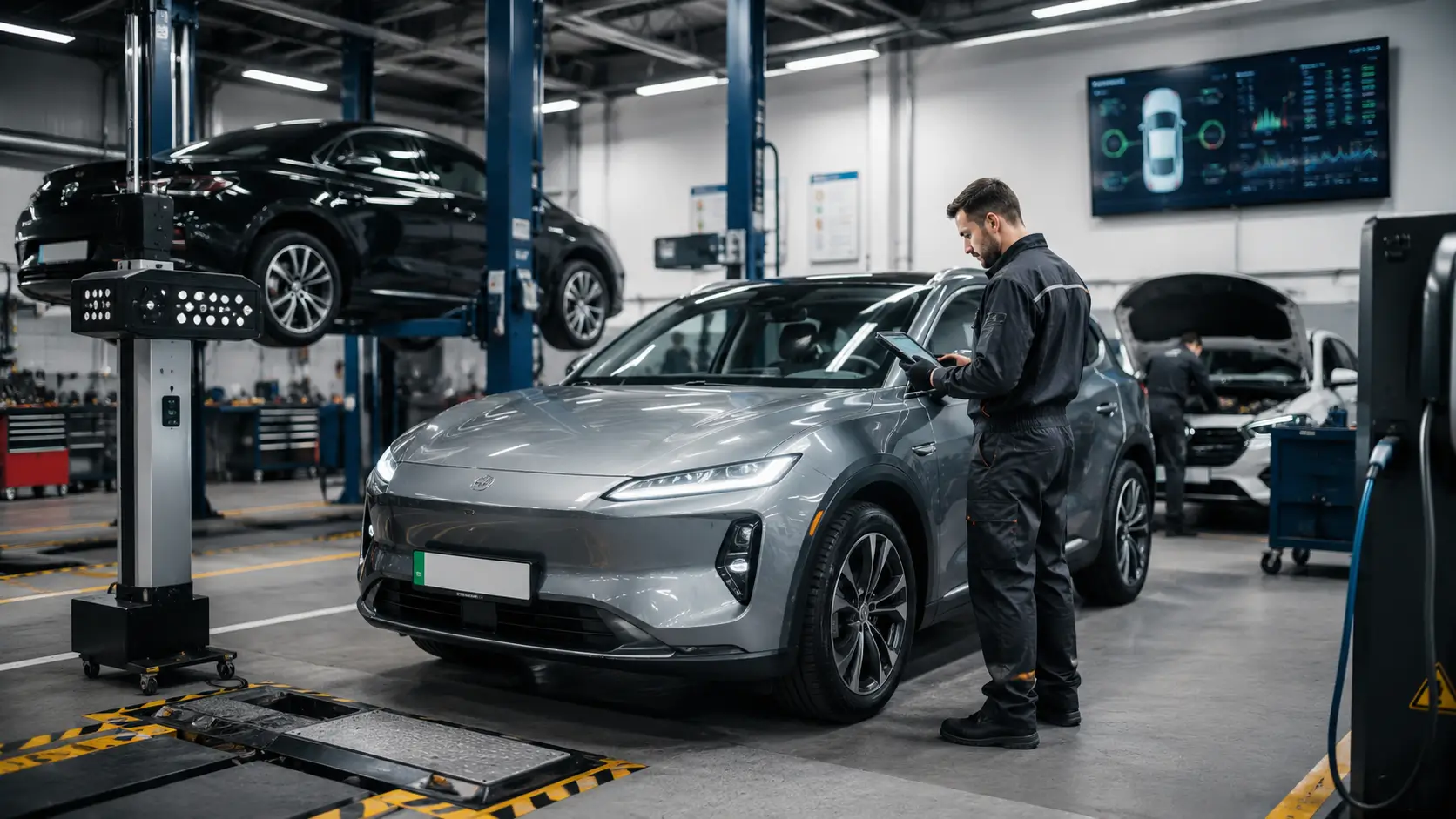
Garages use advanced diagnostic equipment to communicate directly with the vehicle’s onboard computers, identifying problems that may not yet produce obvious symptoms.
Catching faults early often prevents larger, more expensive repairs later.
Advanced Driver Assistance Systems Need Regular Attention
Advanced Driver Assistance Systems (ADAS) are becoming standard on new vehicles.
These systems include features such as:
- Lane Keeping Assist
- Automatic Emergency Braking
- Blind Spot Monitoring
- Adaptive Cruise Control
- Traffic Sign Recognition
- Rear Cross Traffic Alert
- Parking Assistance Systems
While these technologies improve safety, they also require specialist knowledge and equipment to maintain.
Sensors can become misaligned following pothole damage, wheel alignment adjustments, accident repairs or even windscreen replacement.
Without proper calibration, these safety systems may not perform as intended when they’re needed most.
Hybrid and Electric Vehicles Are Changing Garage Services
Although petrol and diesel vehicles still make up the majority of cars on UK roads, hybrid and electric vehicles continue to grow in popularity.
These vehicles require many of the same routine maintenance checks as conventional cars, including brakes, tyres, suspension and steering.
However, they also introduce additional considerations such as high-voltage electrical systems, battery health monitoring and specialist safety procedures for technicians.
Many independent garages are investing in additional training and equipment to ensure they can safely service the next generation of vehicles.
For customers, this means choosing a garage that continues investing in modern diagnostic capabilities and technician training.
Preventative Maintenance Is Becoming More Valuable
Vehicle repairs are becoming increasingly expensive.
Modern components often combine mechanical, electrical and electronic systems into a single unit. Replacing these parts can cost significantly more than repairing older vehicles.
Preventative maintenance helps reduce the likelihood of unexpected failures.
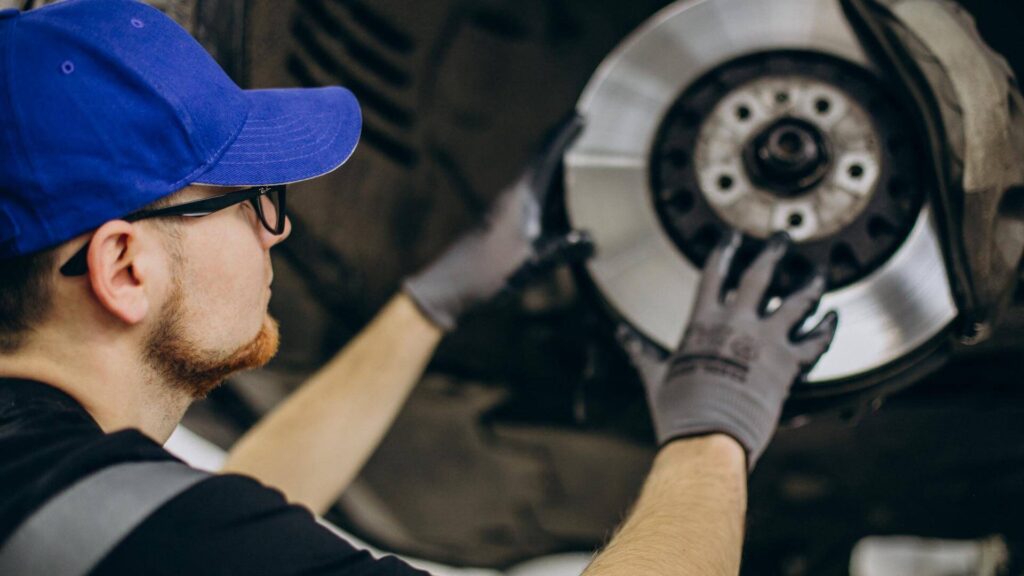
Regular servicing allows technicians to identify worn brake components, ageing batteries, tyre wear, suspension deterioration and fluid leaks before they develop into larger problems.
Preventative maintenance also helps improve:
- Vehicle reliability
- Fuel efficiency
- Safety
- Resale value
- Overall running costs
Addressing minor issues early almost always proves more affordable than waiting until a breakdown occurs.
Drivers Shouldn’t Ignore Dashboard Warning Lights
Modern vehicles constantly monitor hundreds of operating conditions.
When a dashboard warning light appears, the vehicle is alerting the driver that something requires attention.
While some warnings indicate relatively minor faults, others can relate to braking systems, engine management, emissions or safety equipment.
Ignoring warning lights often allows problems to worsen over time.
Professional diagnostic equipment enables garages to identify the exact cause of a warning rather than simply guessing or replacing parts unnecessarily.
Quick diagnosis usually results in faster, more cost-effective repairs.
The MOT Still Plays a Vital Role
Although servicing and MOT testing perform different functions, they work together to keep vehicles safe and roadworthy.
An MOT assesses whether a vehicle meets the legal minimum safety standards required for use on public roads.
It checks areas such as:
- Brakes
- Steering
- Suspension
- Tyres
- Lights
- Windscreen visibility
- Seatbelts
- Emissions
- Exhaust system
- Structural condition
However, an MOT is only a snapshot of the vehicle’s condition on the day of testing.
Regular servicing throughout the year remains essential to maintaining long-term reliability and reducing the risk of unexpected mechanical failures.
Choosing a Garage You Can Trust
As vehicle technology continues advancing, experience and equipment matter more than ever.
A trusted local garage doesn’t simply repair faults—it helps prevent them through professional servicing, accurate diagnostics and honest advice.
Building a relationship with the same garage allows technicians to become familiar with your vehicle’s service history, identify recurring issues and recommend maintenance based on your driving habits.
For many motorists, this leads to fewer unexpected breakdowns and greater confidence every time they get behind the wheel.
Looking Ahead
The next five years will see vehicle technology continue evolving at a rapid pace. Hybrid systems, electric vehicles and increasingly sophisticated driver assistance features will all become more common on UK roads.
While cars are becoming more advanced, one thing remains unchanged: regular maintenance is still the best way to keep your vehicle safe, reliable and economical to run.
By following the manufacturer’s servicing schedule, responding quickly to warning signs and choosing an experienced local garage, drivers can enjoy greater peace of mind while protecting one of their most valuable everyday investments.
Whether your car is brand new or has covered well over 100,000 miles, proactive maintenance remains the key to safe, dependable motoring.